I'd like to talk about the black pipe that has recently troubled many homeowners: Dux Quest. The Dux Quest pipe, a black water pipe, is also referred to as a hidden water bomb due to its unpredictable nature. To understand how the Dux Quest pipe, which poses such a latent threat, came to be installed in New Zealand homes, we need to look into the history of water pipes in New Zealand.
Before the 1960s, most New Zealand homes used galvanised steel pipes for their plumbing. Galvanised steel, unlike iron, was coated with zinc, believed to prevent rusting, and was approved for use as water pipes. At first, it did prevent rusting, but impurities in the water corroded the zinc coating over time, exposing the iron and leading to increasing rust. While the exterior looked problem-free, internal corrosion often blocked the water flow.
Due to these issues, from the 1960s, copper pipes began to be used as an alternative to steel pipes. Copper, unlike iron, does not corrode, making it stable. However, it wasn’t cheap, prompting the search for alternatives. In the 1970s, when plastic pipes were introduced, New Zealand plumbers began to prefer them due to their affordability and lack of corrosion concerns.
1970s and 80s, and it’s estimated that between 20,000 to 40,000 homes used Dux Quest pipes. Dux Quest was not only used in new constructions but was also widely adopted to replace galvanised steel pipes in existing homes.
The Dux Quest black pipe was popular due to its affordable cost, ease of installation, and excellent durability. However, by the late 1980s, there was a surge in leak incidents caused by Dux Quest pipes, causing its popularity to wane. By 2007, the use of Dux Quest pipes was legally banned in New Zealand.
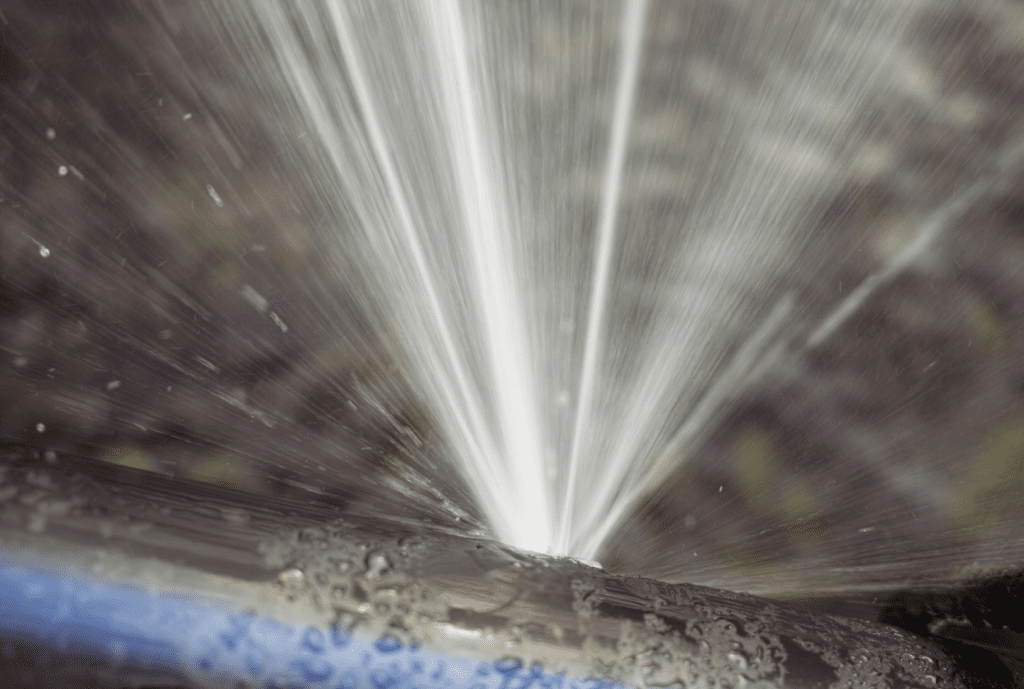
The crux of the issue with Dux Quest pipes lies in the material used: Polybutylene. This material tends to corrode when it reacts with the chlorine found in tap water. As a result, when the pipe is continually exposed to water containing chlorine, the joints weaken, leading to potential leaks. Furthermore, the pipe can detach from its connection points due to sudden pressure changes, causing water to gush out like a fountain.
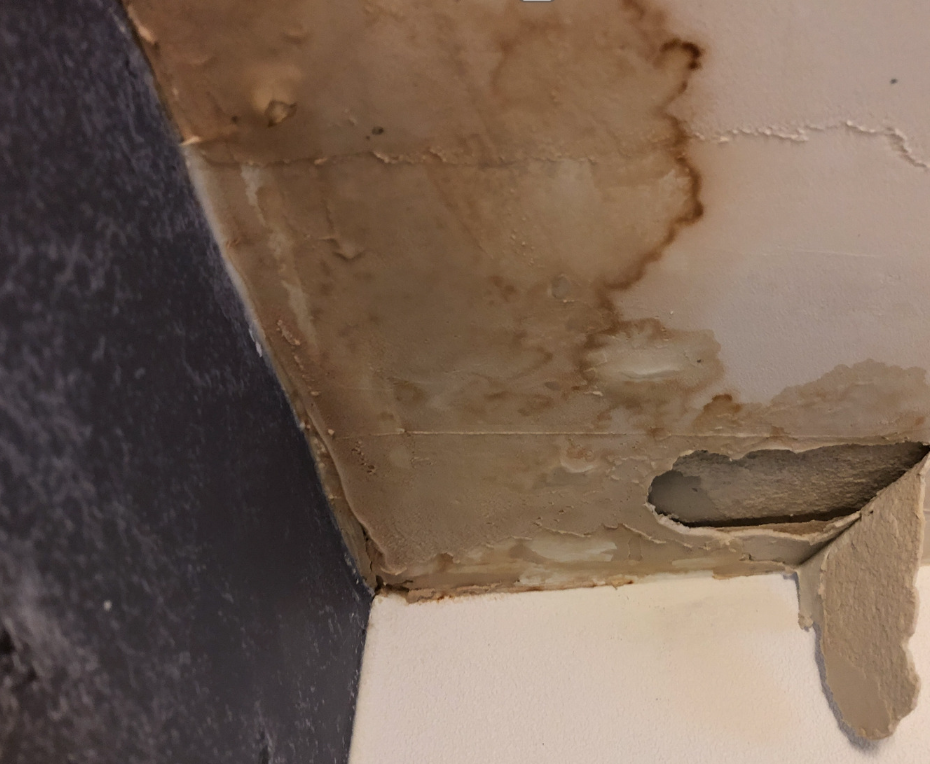
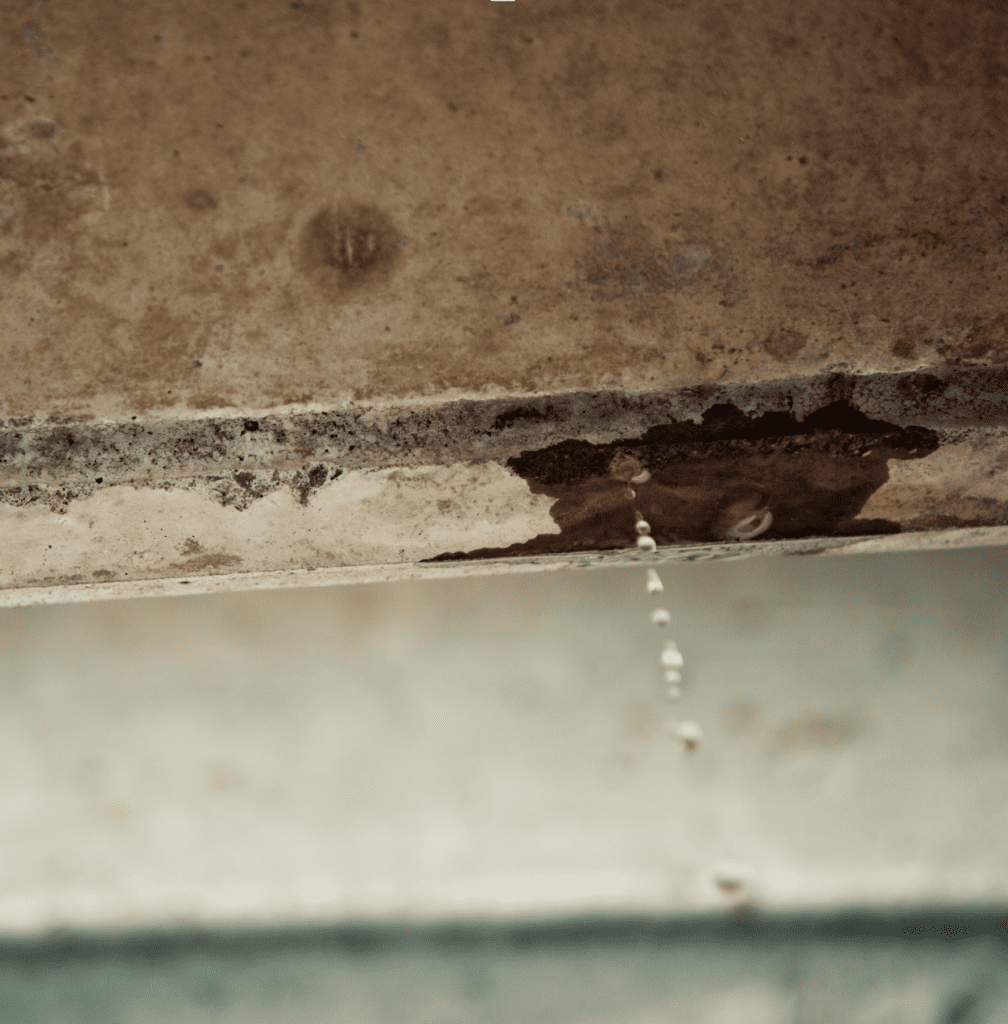
Most of these pipes are concealed within walls, often going unnoticed by homeowners for extended periods. Such situations can lead to progressive damage to floors, walls, and ceilings.
For these reasons, even if the current state of the Dux Quest pipe seems fine, I strongly recommend homeowners replace them.
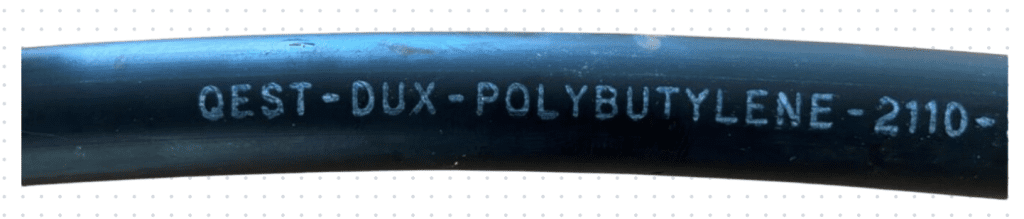
There are several ways to determine if Dux Quest pipes are installed in your home. First, check the construction year of your home. Houses built in the 1970s and 80s often used Dux Quest pipes. Next, inspect the color of any exposed pipes. If the pipe is black and has “Dux Quest” written in white, it’s likely a Dux Quest pipe. You can often find these pipes hidden under the house, inside walls, or in attic spaces.
If you’re planning to purchase a home, it’s advisable to check the type of pipes installed. Dux Quest pipes pose a hidden risk because it’s hard to predict when they might burst. Checking in advance can help prevent future inconveniences.
Recently, many sellers obtain quotes for replacing Dux Quest pipes before listing their properties. Buildings are inspected during real estate transactions, and if Dux Quest pipes are found, the risk of leaks might deter potential buyers. In fact, buyers often ask sellers to replace Dux Quest pipes before finalizing a purchase. Therefore, if you’re considering buying a home, it’s crucial to verify the type of pipes beforehand.
In a previous case I encountered, a Dux Quest pipe hidden behind a bathroom wall burst, flooding the entire house. What was even more surprising was that the pipes beneath the house weren’t Dux Quest. The previous owner had replaced the easily accessible pipes below the home but left the Dux Quest pipes within the walls untouched. Such neglected pipes pose a dangerous risk as they could burst unexpectedly at any time.
The insurance process for water damage caused by a burst Dux Quest pipe can be somewhat complex. Generally, insurance companies tend to compensate for damages when a water pipe bursts due to an accident. However, this doesn’t necessarily cover the cost of calling a plumbing expert to repair the pipe.
Mostly, insurance companies offer compensation for additional damages to parts like walls or carpets. Yet, not all insurance companies operate in the same manner. Some might even deny compensation for accidents specifically caused by Dux Quest pipes.
Therefore, if you have Dux Quest pipes installed in your home and are concerned about potential accidents, it’s advisable to contact your insurance company in advance. This way, you can clearly understand the scope of insurance coverage and any exclusions.
The cost of replacing a Dux Quest pipe varies depending on several factors. From a plumber’s perspective, the overall replacement cost is not significantly higher than general construction expenses. Especially if there’s accessible space under the house, replacing the pipe can be a relatively straightforward task.
However, the challenge lies in the pipes hidden within walls. To replace pipes inside walls, one has to first remove the wall, install the new pipe, then rebuild and repaint the wall, which incurs additional costs.
Particularly, the shower area is a crucial consideration, as the shower box must be completely removed to replace the pipes. So, if you’re planning a bathroom remodeling, it might be cost-effective to consider replacing the Dux Quest pipes at the same time.
If you're experiencing issues related to Dux Quest black pipes or are considering pipe replacement, please contact our office. We'll provide detailed explanations about various issues related to the replacement.
| M | T | W | T | F | S | S |
|---|---|---|---|---|---|---|
| 1 | 2 | 3 | 4 | 5 | 6 | |
| 7 | 8 | 9 | 10 | 11 | 12 | 13 |
| 14 | 15 | 16 | 17 | 18 | 19 | 20 |
| 21 | 22 | 23 | 24 | 25 | 26 | 27 |
| 28 | 29 | 30 | 31 | |||
All-inclusive pricing for all your plumbing installations. Need something specific? Contact us at admin@nexuspgd.com. Dismiss