165 Colwill Road, Massey, Auckland
E-mail us: admin@nexuspgd.com
9:00AM - 5:00PM


Following on from our last column about drinking water safety in New Zealand, this week we’re diving deeper into a popular solution: water purifiers. With so many options on the market, choosing the right one can feel overwhelming. Let’s break down what’s available and what you need to consider.
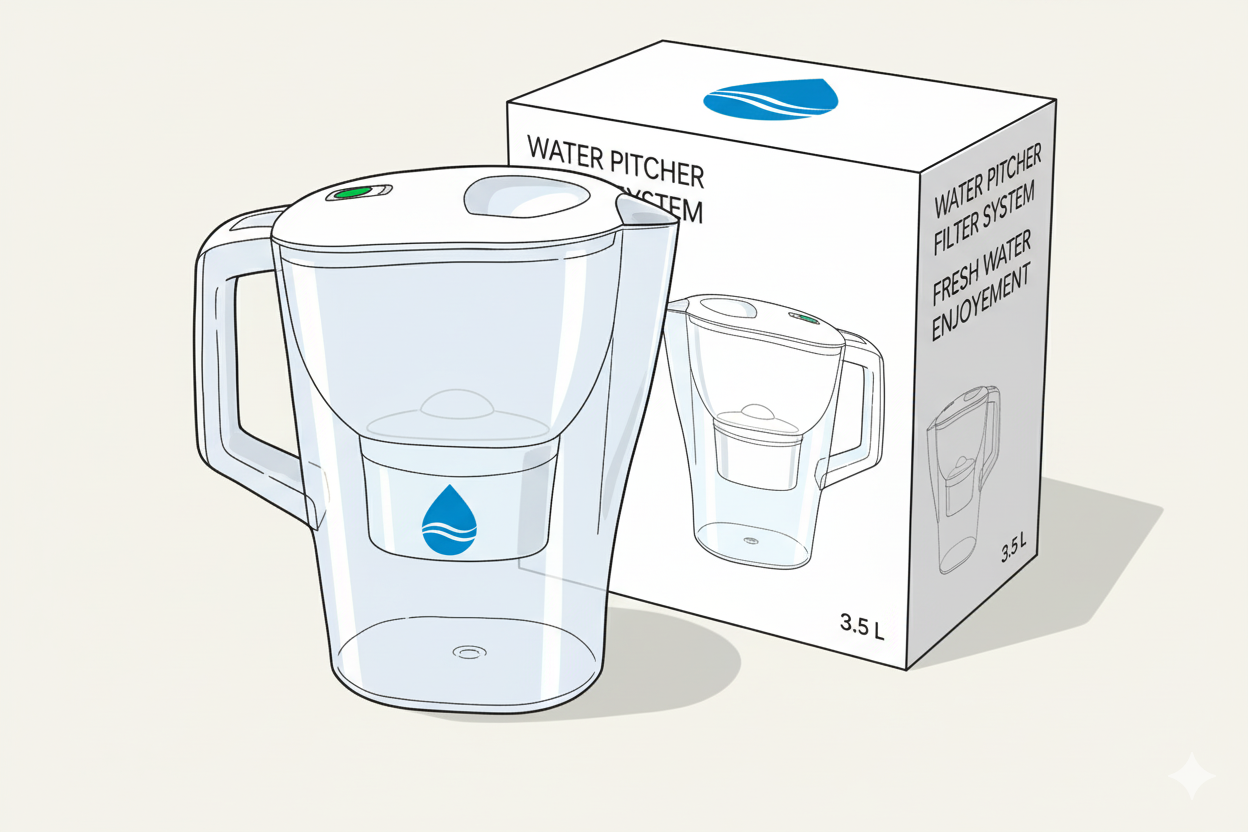
Perhaps the most common and affordable type of water filter you’ll encounter is the standalone jug filter, like a Brita. These are fantastic for their portability and ease of filter replacement. You can simply fill them up and keep them in the fridge for chilled, filtered water whenever you need it.
However, they do have their downsides. They only filter a small amount of water at a time, and the filtered water can be exposed to dust or contaminants if left out. The filters also have a relatively short lifespan, meaning they need to be replaced quite frequently to remain effective. Brita jugs typically use a coconut-based activated carbon filter to remove impurities like chlorine, zinc, copper, cadmium, and mercury – but if you don’t keep up with replacements, that filtering power quickly diminishes.
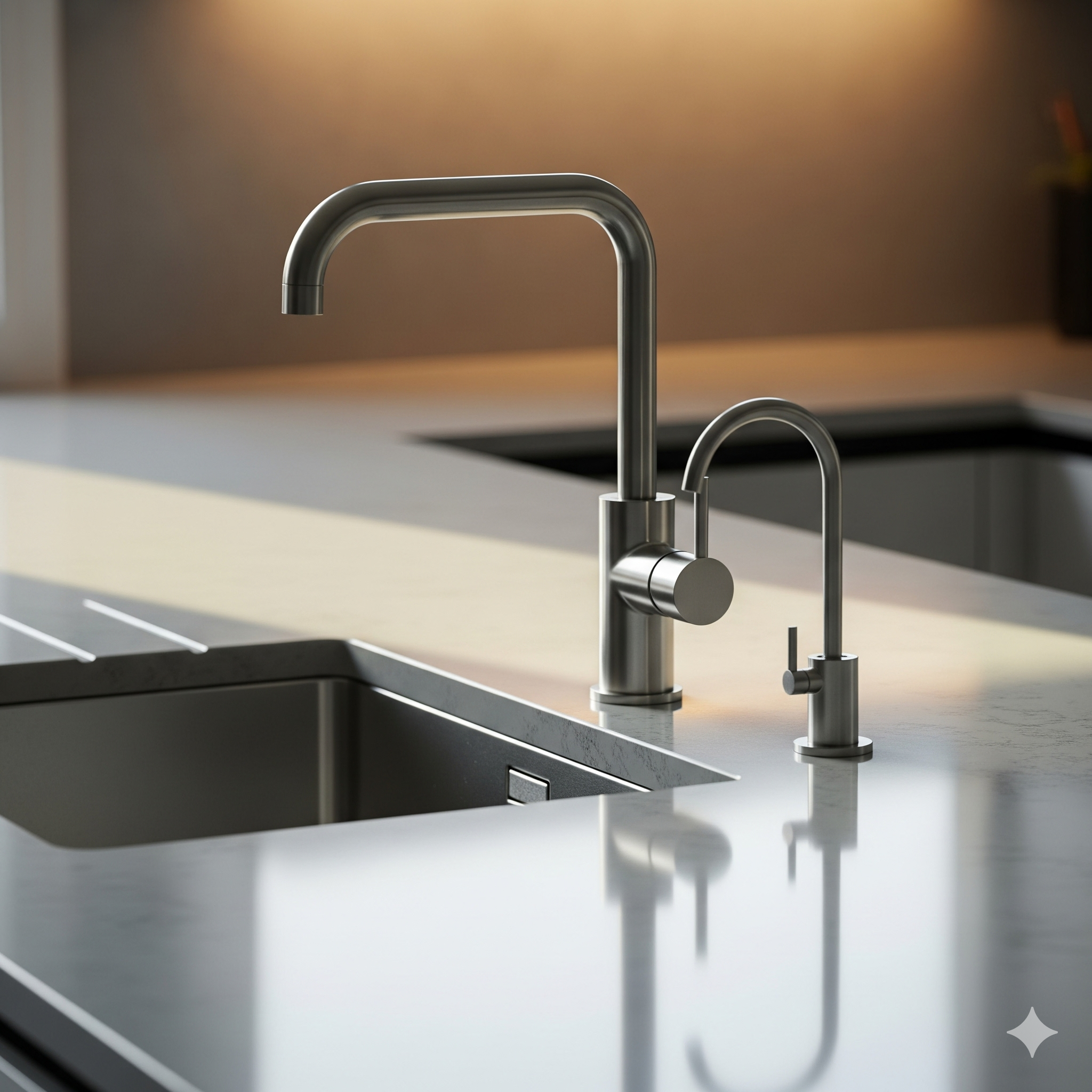
Another popular option, especially common in many New Zealand homes, involves installing a filter system directly under your kitchen sink. This typically features a dedicated ‘auxiliary’ tap on your benchtop, providing filtered water. You’ll often see two taps on a kitchen sink in these homes: a larger main mixer and a smaller one for purified water.
Some advanced models even offer hot, cold, and sparkling filtered water. Popular brands in New Zealand include Puretec, Insinkerator, Merquip, and Zenith.
When considering an under-sink system, think about your kitchen’s overall design and the ease of filter replacement. It’s worth noting that some filter manufacturers won’t cover water damage caused by improper DIY filter changes. While changing a filter might seem straightforward, an improperly seated filter can lead to tiny leaks that can cause significant damage, like swelling your kitchen cabinetry.
Given the cost of labour in New Zealand, calling a service agent for every filter change can quickly add up. Thankfully, many modern designs are making filters easier for homeowners to replace themselves. For models that provide hot or sparkling water, you’ll need sufficient space under your sink for additional components. It’s always a good idea to chat with a plumber before purchasing these advanced systems to ensure your space can accommodate them.
Filter prices vary hugely, from around $20 to over $500. This wide range primarily reflects differences in performance: how much water a filter can purify, how fine its filtration capability is (what contaminants it removes), and how easy it is to replace. Many filter companies now have helpful YouTube videos showing installation and replacement steps, so a quick online search can be very informative.
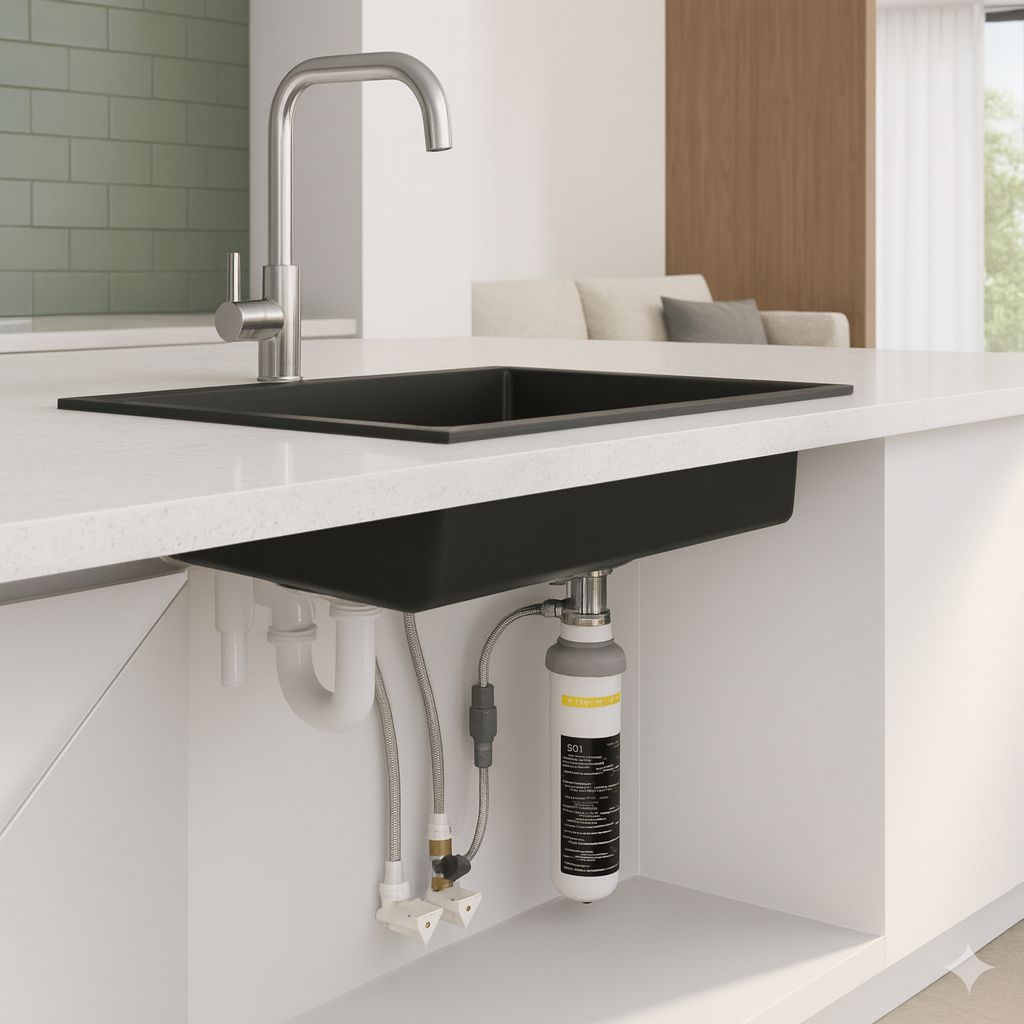
Currently, inline water filter systems are gaining popularity in New Zealand. These systems are installed directly into your main kitchen cold water line, meaning all cold water coming from your main kitchen tap is filtered – no need for an extra auxiliary tap on your benchtop. This is a fantastic option for those who prefer a clean, uncluttered kitchen aesthetic and want filtered water for cooking and drinking directly from their primary tap.
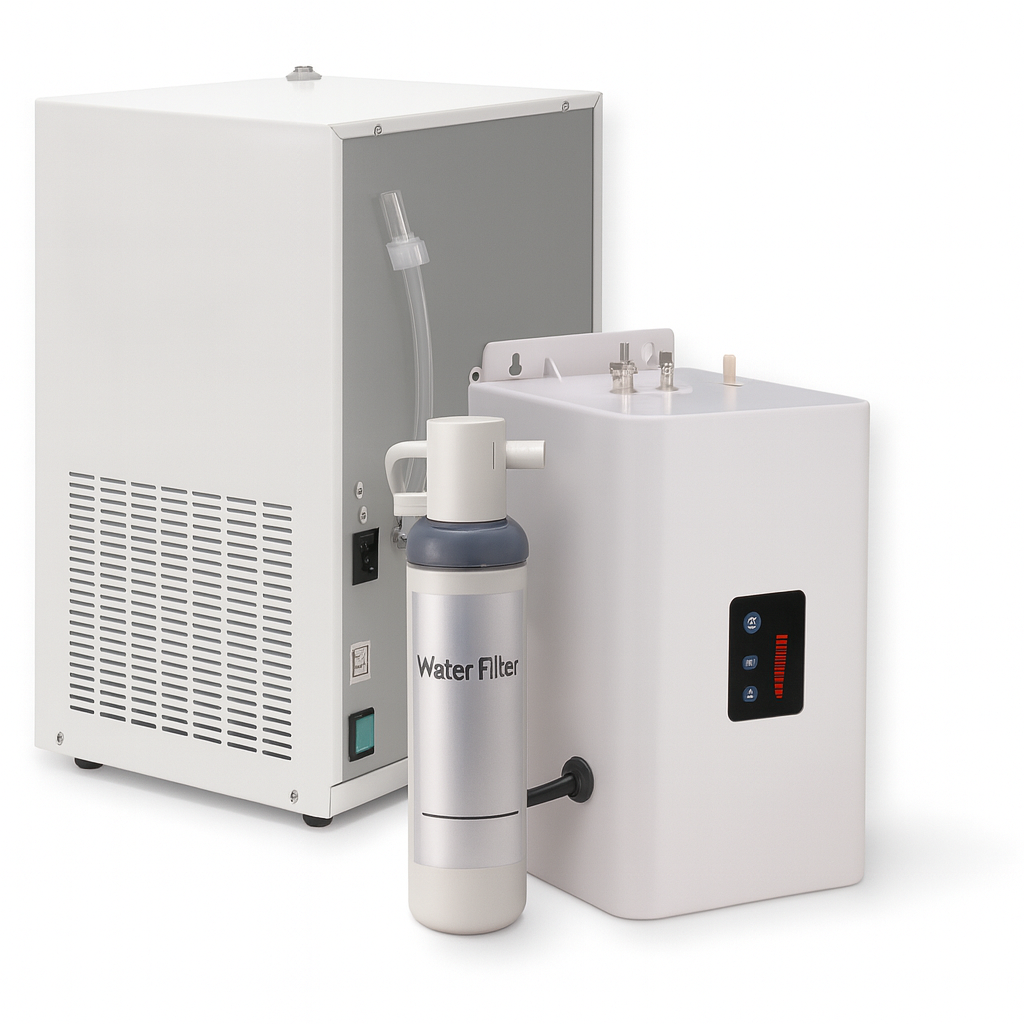
However, a key point to remember is that this system typically only filters the cold water supply to your main kitchen tap. So, if you need filtered hot water for cooking, you’ll either need to boil the filtered cold water or consider installing a separate boiling water unit in your kitchen. Alternatively, some modern “3-in-1” kitchen taps can integrate regular cold/hot water with a filtered water option from the same tap.
For those living on lifestyle blocks or in rural areas of New Zealand, rainwater harvesting is a common practice. While many consider rainwater to be the purest, it still needs proper treatment to be safe for consumption. If you’re using rainwater, it’s crucial to install at least a UV steriliser and two or more filters to remove airborne dust, pollutants, and any impurities that might collect from your roof or water tank. Planning to use rainwater means carefully considering these purification steps.
📞 Call us at 021 837 775
✉️ admin@nexuspgd.com — Email Us
Send a photo or video — get a free quote!