165 Colwill Road, Massey, Auckland
E-mail us: admin@nexuspgd.com
9:00AM - 5:00PM


Here at Nexus Plumbing, we know that for many Kiwis, the food waste disposal is a standard kitchen appliance we can’t imagine living without. It’s a feature that often impresses newcomers with its incredible convenience.
In this article, we’ll be using the common New Zealand terms ‘waste disposal’ or simply ‘disposal’.
A waste disposal allows you to deal with food scraps right at the sink, meaning you don’t have to keep a separate food waste bin in your kitchen. This eliminates problems like lingering odours, rubbish bags being torn open by cats or birds, and attracting pests like rats or cockroaches.
However, as convenient as they are, problems can arise from incorrect use. And while a waste disposal is an electrical appliance, because it’s so closely tied to your plumbing, it’s often a plumber you’ll call for installations and repairs.
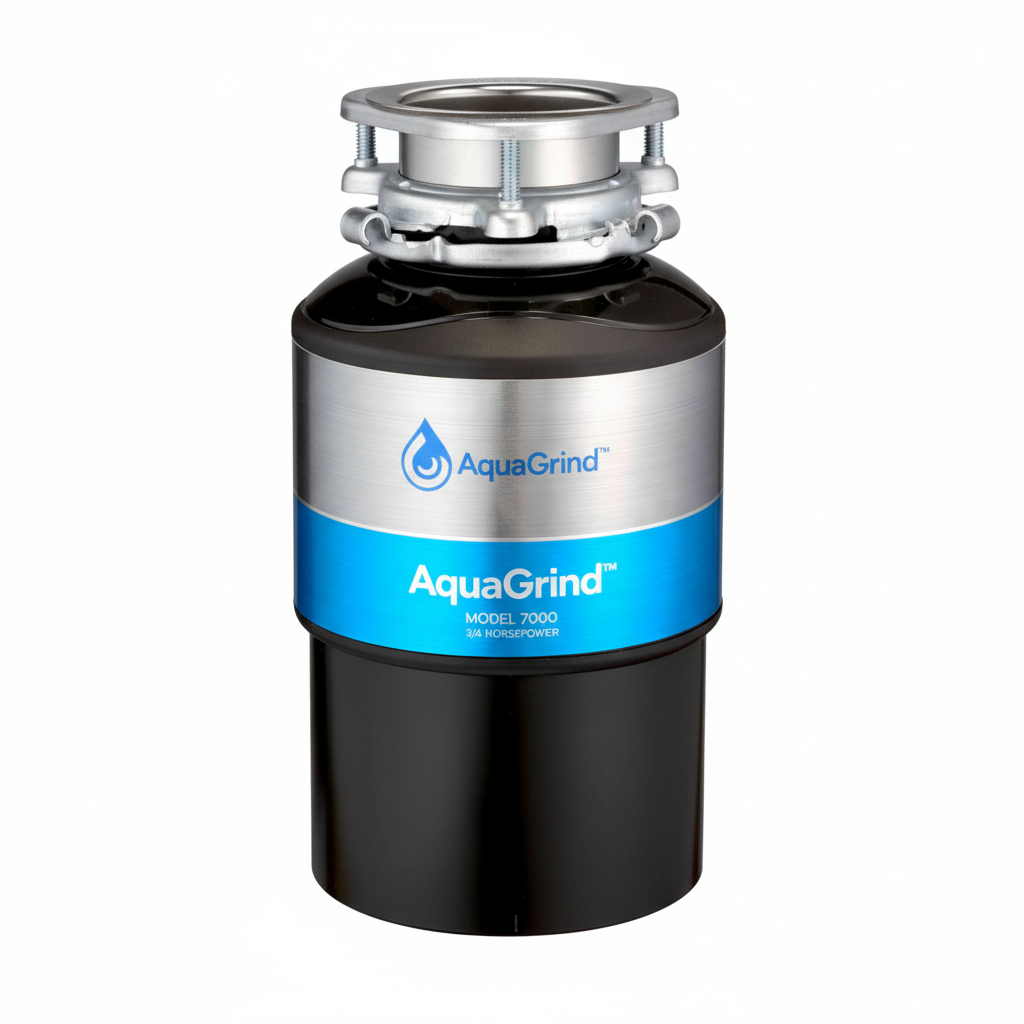
When you picture what’s happening inside a waste disposal, you probably imagine sharp blades chopping up the food. That’s a common misconception. Instead of blades, a disposal uses a spinning plate with small metal lugs (called an impeller). As it spins at high speed, food is thrown against the outside wall, which has a ridged surface like a cheese grater. This pulverises the food into particles that can be easily washed away with water.
Because there are no blades, there’s little risk of cutting your hand when cleaning—as long as you turn the power off first.
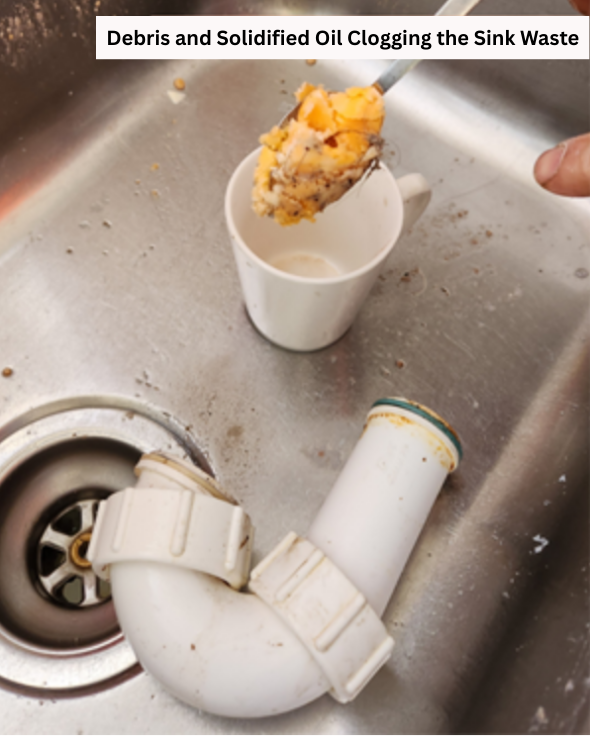
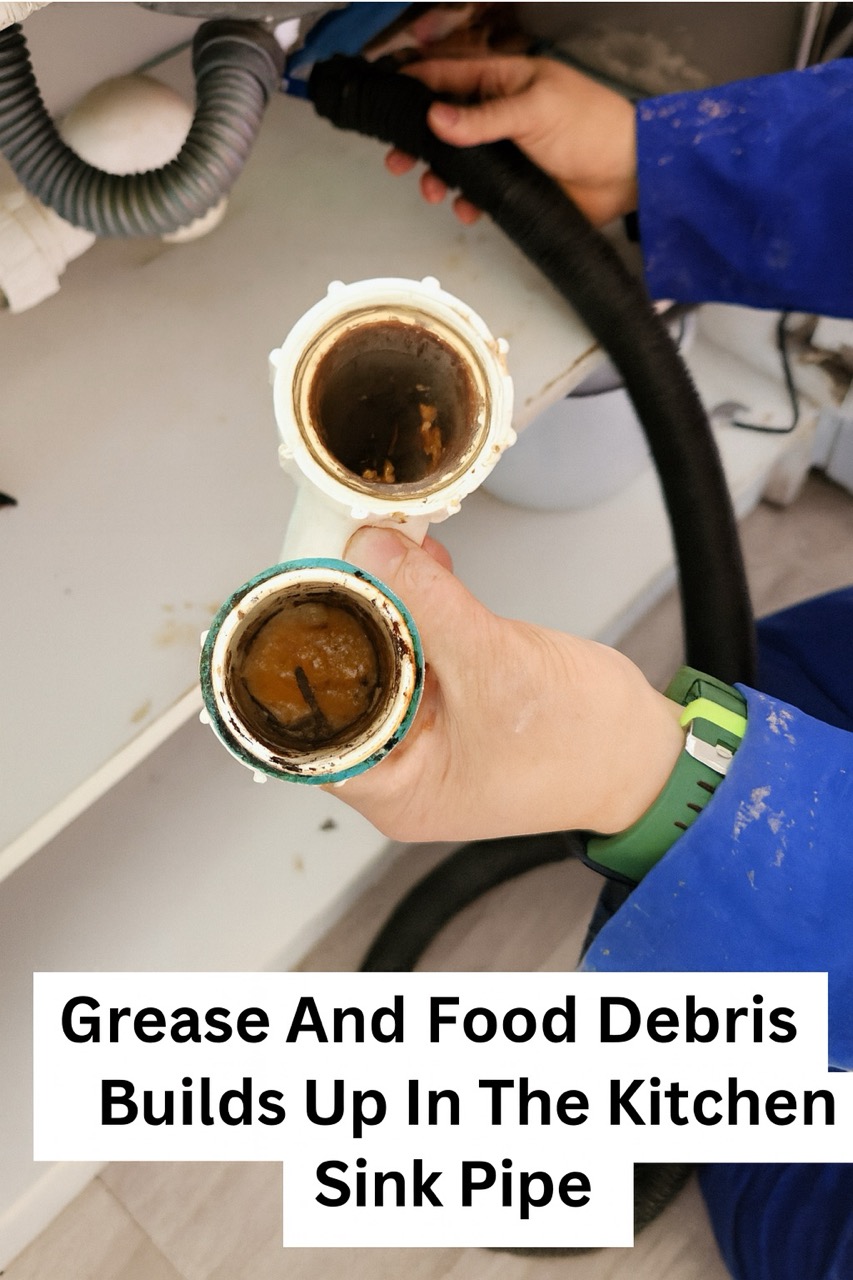
Always run cold water when using your disposal. After greasy foods, follow with hot water to flush the residue. In winter, grease solidifies faster—so be extra cautious.
This typically requires a professional repair. Even small leaks can cause big damage if not properly sealed.
Always turn off the power at the wall before inspecting or attempting a fix. If you’re ever unsure, it’s best to call a licensed plumber.
📞 Call us at 021 837 775
✉️ admin@nexuspgd.com — Email Us
Send a photo or video — get a free quote!