165 Colwill Road, Massey, Auckland
E-mail us: admin@nexuspgd.com
9:00AM - 5:00PM


Hello, Auckland! As many of you know, when it rains, it doesn’t just pour—it unleashes. That’s why preventing water damage with subsoil drainage is not just advisable; it’s essential, especially here in our city known for its sudden and intense rainfall. Today, we’re exploring how effective subsoil drainage can safeguard your home from the worst the skies can throw at us.
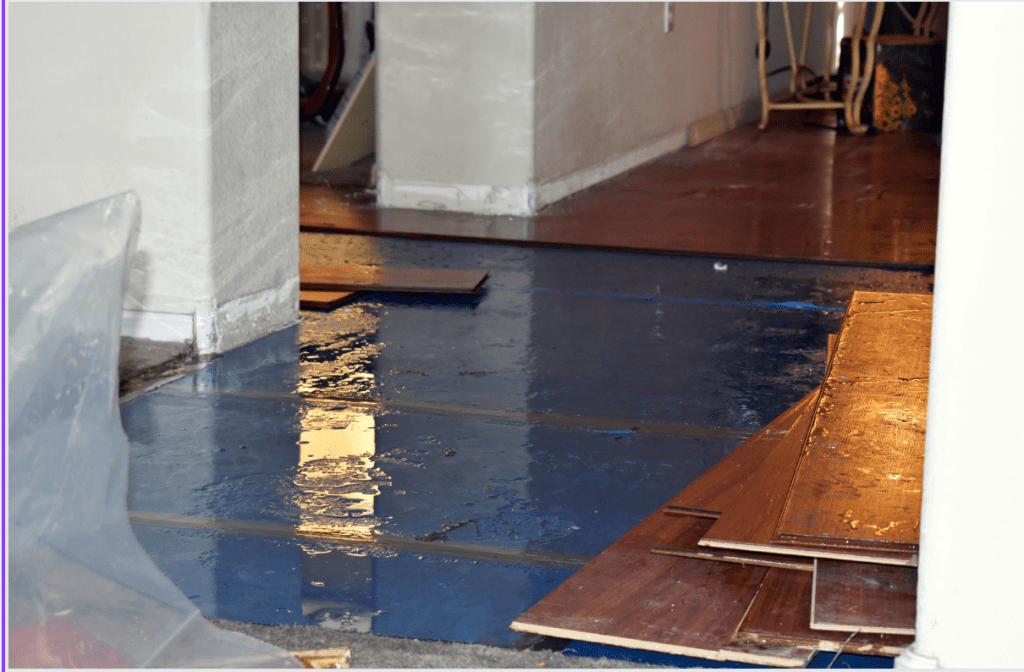
Let me start with a little story. Last year, during one of our typical Auckland downpours, a close friend found their newly renovated garage turned into a small pond. The water had surged from their slightly elevated backyard right into their home. It was a clear wake-up call not just for them, but for many in our community who’ve faced similar fiascos. It was this very experience that led them to Nexus Plumbing, where we devised a plan to combat their recurrent flooding issues with a robust subsoil drainage system.
Subsoil drainage involves installing a network of pipes, typically below ground level, designed to redirect excess groundwater away from your property. This system is essential in areas like ours, where rapid water accumulation can lead to soil erosion, structural damage, and, yes, those unexpected indoor pools.
At Nexus Plumbing, we often use a popular product known as Novacoil for this type of drainage. Novacoil is a corrugated drainage pipe, durable and perforated to allow water in but keep soil out, ensuring clear passage for water away from your property. The installation process involves strategically placing these pipes around and beneath the property to catch and redirect water to a safer discharge area, such as a street drain or a natural watercourse.
Auckland’s topography and climate combine to create a perfect storm for potential water damage. Here’s how subsoil drainage steps up:

One of our most memorable projects involved a house in South Auckland, situated on an elevated plot. This home frequently experienced water logging in the garage after heavy rains. Our inspection revealed no faults in the existing plumbing but rather an inadequate drainage system that failed to manage surface runoff effectively.
To address this, we installed a comprehensive subsoil drainage system using Novacoil. We strategically placed this around the home’s perimeter and critical areas prone to water collection. The transformation was remarkable. Not only did it eliminate the garage flooding, but it also protected the home’s foundation from potential water damage.
Maintaining a subsoil drainage system isn’t complex, but it does require regular attention. Here are some tips to keep your drainage system functioning smoothly:
At Nexus Plumbing, we understand the challenges that come with Auckland’s unique climate and terrain. Preventing water damage with subsoil drainage is more than our expertise—it’s our commitment to you, ensuring that your home remains dry and secure, rain or shine.
If you’re considering subsoil drainage for your home, don’t wait for the next downpour to make the decision. Let’s prepare your home to face Auckland’s weather head-on. Contact us today, and let’s talk about how we can help you keep the water where it belongs—outside your home. Remember, a little foresight today can save a lot of trouble tomorrow. Stay dry, Auckland