165 Colwill Road, Massey, Auckland
E-mail us: admin@nexuspgd.com
9:00AM - 5:00PM


As the weather gets cooler in autumn and the morning and evening air becomes chilly, taking a bath or shower with warm water becomes even more precious for relaxing and relieving fatigue. It is taken for granted that warm water is readily available, but it can be frustrating and confusing to figure out where to contact and what to do when suddenly there is no warm water.
In this column, let's take a look at hot water cylinders, which provide warm water. We will examine eight major questions that customers have regarding hot water cylinders.
If hot water that was working fine until yesterday suddenly stops working, it can be overwhelming to know where to start checking and how much the repair cost will be. In this case, first check the hot water tap in the kitchen sink. If only cold water comes out, the element in the hot water cylinder may be faulty or there may be an electrical problem.
If the electricity is connected properly, the probability of a faulty element is very high. In this case, you need to request element replacement from an electrical or plumbing company.
If turning on the hot water tap doesn’t produce any water at all, there may be a problem with the cylinder itself.
In this case, you need to consult a professional plumber like Nexus Plumbing for repair or replacement.
Some of you may have experienced being surprised when water leaked around the cylinder and wet the carpet. Fortunately, water leaking around the cylinder doesn’t always mean the cylinder has burst.
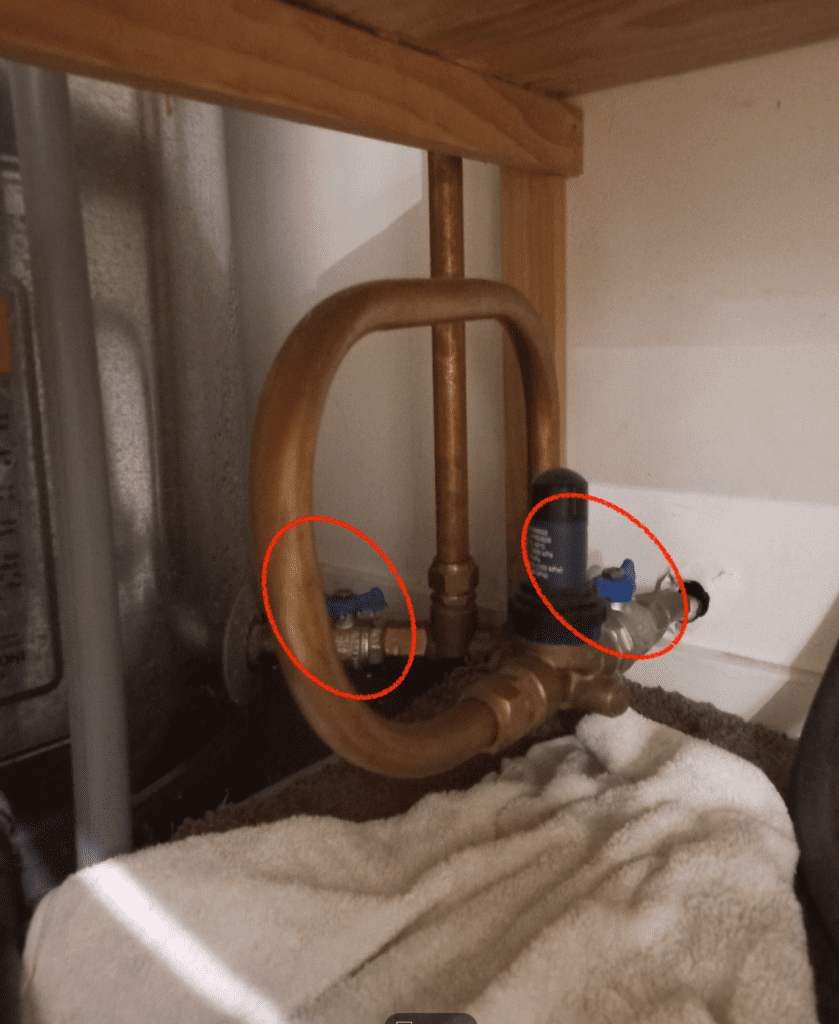
There are various parts connected to the cylinder, such as Pressure Limiting Valve, Tempering Valve, Cold Water Expansion Valve, and Ball Valve. If the valve itself is faulty or there is a problem with the connection between the valves, water can leak and wet the carpet. In this case, you should have a professional plumber repair it.
However, if water is leaking from under the body of the cylinder, the cylinder is most likely burst.
In this case, you need to replace the cylinder. The cost of replacing the cylinder varies depending on the model. Contact a professional plumber like Nexus Plumbing to ensure proper repair or replacement.
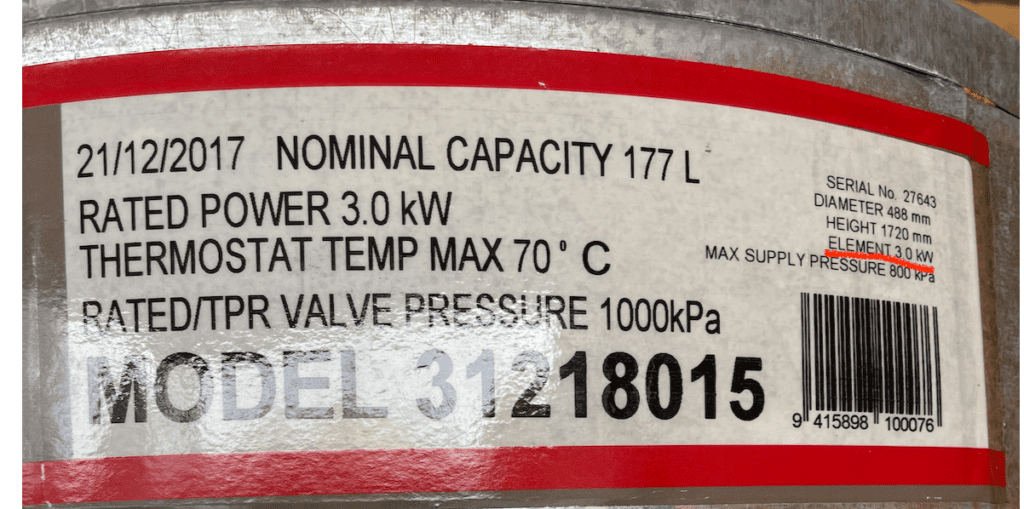
If you contact our Nexus Plumbing Office regarding a cylinder leak, we will ask you for a photo of the cylinder. The label attached to the cylinder contains information such as the manufacturing date, capacity, and model number. By checking this label information, we can properly prepare the parts needed for replacement.
If water is leaking, you must first close the valve connected to the cylinder. Of course, you should also turn off the electricity. If you cannot find the valve to turn off the water, please take a photo and email it to our office (admin@nexuspgd.com) and we will mark the point where the water can be turned off. Contacting our office is always free of charge.
Since cylinders are expensive to install, many people are curious about how long they can use them. Hot water cylinders are divided into main pressure and low pressure. The main pressure hot water cylinder has good water pressure, so hot water comes out well.
However, the low-pressure hot water cylinder has lower water pressure than cold water. It can be a bit frustrating to use. On the other hand, the lifespan of the low-pressure hot water cylinder (20-40 years) is much longer than that of the main pressure hot water cylinder (10-20 years).
Although low-pressure cylinders have longer lifespans, many people prefer main pressure cylinders because they like to have cold water pouring out more powerfully.
Since the Christchurch earthquake, regulations have been strengthened to require that cylinders be fixed to the wall with iron straps, and a plastic tray must be installed under the cylinder to allow a little overflow of water to be piped out. The probability is high that cylinders installed ten years ago did not comply with these regulations.
According to the Plumbing Association, when installing a new hot water cylinder, you must comply with current regulations. However, if it was installed in the past, current regulations are recommended but not mandatory.
Therefore, there should be no major issues with selling your property.
This question can sound scary, but it’s an actual inquiry we’ve received. Sometimes, old hot water cylinders can make loud noises, which could be a sign that the valves controlling the cylinder are malfunctioning.
While it might be a bit of an exaggeration to say that the cylinder could actually explode, it’s important to turn off the power to the cylinder and contact a licensed plumbing company in New Zealand.
The capacity of hot water used in everyday life, such as in the kitchen, baths, showers, and dishwashers, varies. For a household of about 3-4 people, a 180-liter hot water cylinder is usually the most common installation. However, if family members take long showers or enjoy baths, or if a lot of hot water is used in the kitchen, 180 liters might not be enough.
If you are experiencing inconvenience due to insufficient hot water, we recommend upgrading your hot water cylinder to 300 liters. In this case, a family of about six people can use hot water together without any inconvenience. Alternatively, we recommend installing a gas infinity system outside your home. If natural gas is supplied to your home, you can save a lot of energy costs. Comparing power consumption, natural gas costs 7 cents per kWh, LPG costs 27 cents, and electricity costs 33 cents, making natural gas the cheapest option.
If natural gas is not provided to your home, you will have to use LPG gas bottles delivered instead. In the summer, there is not much difference in efficiency between an electric hot water cylinder and LPG gas, but in the winter, the difference becomes more significant. Hot water cylinders store hot water in a tank and deliver it through pipes whenever it is used.
As the temperature gets lower, the power consumption increases to reheat the water. This may be the reason why your electricity bill is higher in the winter.
While taking a walk, you may see a pipe sticking up from the roof. This pipe is designed to regulate the pressure of a low-pressure hot water cylinder.
When the pressure builds up in the hot water cylinder, it expels water upwards. It is normal for water to overflow onto the roof once or twice, but if the water keeps flowing, it may be due to a faulty pressure control valve in the cylinder or improper installation of the kitchen or basin taps. In this case, you must contact a plumber for repairs.
If your electricity bill is unusually high, you may need to check if the hot water in the cylinder is continuously overflowing8
If you have any issue regaridn your Hot Water Cylinder please contact Nexus Plumbing today for complete plumbing service.


All-inclusive pricing for all your plumbing installations. Need something specific? Contact us at admin@nexuspgd.com. Dismiss