165 Colwill Road, Massey, Auckland
E-mail us: admin@nexuspgd.com
9:00AM - 5:00PM
Page Title BG
Hot Water Cylinder Auckland

At Nexus Plumbing, a professional plumbing company based in Auckland, we understand the importance of maintaining a comfortable and efficient home environment. One of the key aspects of achieving this is ensuring that your hot water system functions properly. Hot water cylinders are commonly employed in households to provide a consistent supply of hot water for daily use. Nevertheless, over time, these systems may develop issues that require repair or, in some cases, complete replacement. In our experience as a professional plumbing company, we have encountered numerous hot water cylinder-related problems. In this comprehensive guide, we will discuss some of the most common issues that homeowners face. Additionally, we will examine when it might be time to consider a hot water cylinder replacement. By sharing our expertise, we hope to help you address these challenges and maintain an efficient and comfortable home.

Undersized Hot Water Cylinder: Is my hot water cylinder too small for my home?

Undersized Hot Water Cylinder: A hot water cylinder that is too small for your household’s needs can lead to an inadequate hot water supply, as it may struggle to keep up with the demand for hot water during peak usage times. Here are some causes and solutions for dealing with an undersized hot water cylinder.

Causes of an undersized hot water cylinder:
  • Inaccurate sizing: The hot water cylinder may have been incorrectly sized during installation, resulting in a capacity that is insufficient for your household’s needs.
  • Increased hot water demand: Changes in your household, such as additional family members or the installation of new appliances that require hot water, can increase the demand for hot water, causing your existing hot water cylinder to become undersized.
Solutions for an undersized hot water cylinder:
  • Properly sizing a hot water cylinder: To ensure that your hot water cylinder is correctly sized for your household’s needs, consult with a professional plumbing service like Nexus Plumbing. They can help you determine the appropriate size based on factors such as the number of occupants, hot water usage patterns, and the types of fixtures and appliances in your home.
 
Here are some general recommendations for hot water cylinder sizing:
  1. For a 1-2 person household, a 135-liter hot water cylinder should be sufficient.
  2. For a 3-4 person household, consider a 180-liter hot water cylinder.
  3. For a 5-6 person household, a 270-liter hot water cylinder is recommended.
  • Upsizing the hot water cylinder: If your existing hot water cylinder is undersized, you may need to consider upgrading to a larger capacity cylinder. Nexus Plumbing can help you select and install a new hot water cylinder that better meets your household’s needs.
  • Installing a gas infinity system: If you still experience inadequate hot water supply despite having the right-sized hot water cylinder, you might want to consider installing a gas infinity system. This type of system heats water on demand, ensuring a consistent and virtually limitless supply of hot water for your household.

By addressing the issue of an undersized hot water cylinder, you can improve the overall comfort and convenience of your home, ensuring a consistent hot water supply for your daily needs.

Heating Element Inefficiency: Why isn’t my hot water cylinder providing enough hot water?

The heating element in your hot water cylinder is responsible for heating the water to the desired temperature. Over time, its efficiency may decline, leading to various issues with your hot water supply. Here are the causes of heating element inefficiency and potential solutions:


Causes of heating element inefficiency:

  • Age: As the heating element ages, its performance may deteriorate due to wear and tear, causing it to become less effective at heating the water.
  • Scale buildup: Minerals in the water, such as calcium and magnesium, can accumulate on the heating element, forming a layer of scale. This buildup can insulate the heating element, reducing its ability to transfer heat to the water efficiently.
  • Corrosion: The heating element may corrode over time, especially if it’s made from metal. This corrosion can weaken the heating element and negatively impact its performance.


Solutions for heating element inefficiency:

  • Regular maintenance: Scheduling regular hot water cylinder maintenance with a professional plumbing service like Nexus Plumbing can help ensure the heating element remains in good working condition. Maintenance may include cleaning the heating element to remove scale buildup or adjusting the water chemistry to reduce mineral deposits.
  • Heating element replacement: If the heating element is severely corroded or damaged, it may be more cost-effective to replace it with a new, more efficient heating element. A skilled technician from Nexus Plumbing can assess the condition of the heating element and recommend the appropriate course of action.
  • Upgrade to a more efficient hot water system: If your hot water cylinder is old and inefficient, it may be worth considering an upgrade to a more energy-efficient system, such as a gas infinity system or a heat pump hot water system. These options can provide more consistent hot water supply while reducing your energy bills.

By addressing heating element inefficiency, you can ensure that your hot water cylinder continues to provide a consistent and reliable supply of hot water for your household.
 

Damaged or Leaking Pipes: What happen if I have a damaged or leaking pipe in my hot water system? 

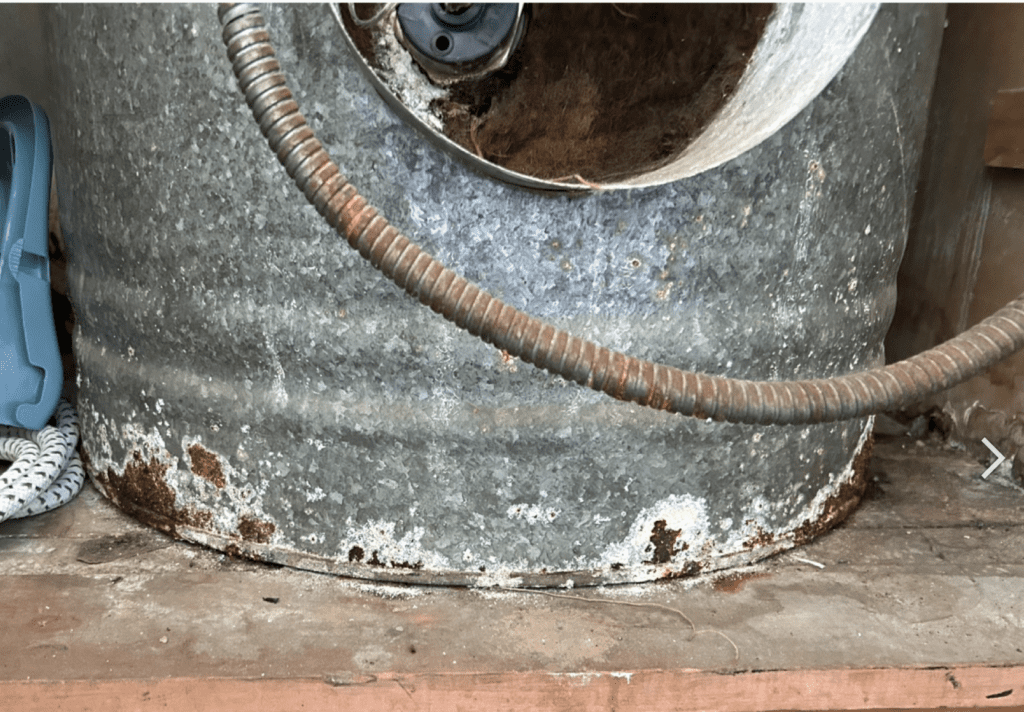
As pipes age, they may corrode due to chemical reactions between the pipe material and water. This corrosion can weaken the pipe structure, leading to leaks or even pipe bursts. In the context of a hot water cylinder, this corrosion can affect the pipes connecting the cylinder to the rest of your plumbing system.

Impact on hot water supply:
Damaged or leaking pipes can reduce the amount of hot water available for your household. As water escapes through the leaks, the pressure in the system may drop, leading to inconsistent hot water supply and potential disruptions to your daily routines.

Potential property damage:
Leaking pipes can cause water damage to your home, including damage to walls, floors, and other structural elements. Over time, unchecked leaks can lead to mold growth, creating potential health hazards for you and your family.

Increased water and energy bills:
Damaged or leaking pipes can also result in higher water bills due to the wasted water, and increased energy bills if the hot water cylinder needs to work harder to maintain the desired water temperature.


 Solutions for damaged or leaking pipes:

  • Regular inspection: Conduct periodic inspections of your plumbing system, paying close attention to any signs of corrosion, damage, or leaks. Early detection can help prevent major issues and costly repairs.
  • Pipe repair or replacement: If you discover damaged or leaking pipes, consult with a professional plumbing service like Nexus Plumbing in Auckland. They can assess the situation and recommend the appropriate course of action, whether it involves repairing the damaged section or replacing the entire pipe.
  • Professional installation: Ensure that your plumbing system is installed by a qualified plumber to avoid issues related to incorrect installation or connections. Nexus Plumbing can provide professional installation and maintenance services to ensure the longevity and optimal performance of your hot water system.

By addressing damaged or leaking pipes, you can improve the efficiency and performance of your hot water cylinder, ensuring a consistent and adequate hot water supply for your household’s needs.
Malfunctioning Thermostat: Why is my hot water temperature inconsistent?

A thermostat plays a crucial role in regulating the temperature of the water in your hot water cylinder. A faulty thermostat can lead to inconsistent hot water supply, with water being too hot or too cold, causing discomfort and potential hazards. Here are the causes and solutions for a malfunctioning thermostat:

Causes of a malfunctioning thermostat:

  • Age: Over time, the thermostat may wear out and lose its ability to accurately regulate the temperature of the hot water cylinder, leading to temperature fluctuations.
  • Electrical issues: Wiring problems, loose connections, or a faulty temperature sensor can cause the thermostat to malfunction and provide inaccurate temperature readings.
  • Corrosion: Exposure to moisture or humidity can cause the thermostat’s internal components to corrode, affecting its ability to function correctly.

Solutions for a malfunctioning thermostat:

  • Check the thermostat settings: Ensure that the thermostat is set to the correct temperature for your household’s needs. The recommended setting for most households is between 49°C and 60°C.
  • Troubleshoot electrical issues: If you suspect that the thermostat is malfunctioning due to an electrical problem, consult a professional electrician to inspect and repair any wiring or connection issues.
  • Replace the thermostat: If the thermostat is worn out or damaged, it may need to be replaced. A skilled technician from Nexus Plumbing can assess the condition of the thermostat and install a new one if necessary, ensuring that your hot water cylinder maintains a consistent water temperature.
  • Regular maintenance: Scheduling regular hot water cylinder maintenance with Nexus Plumbing can help identify and resolve potential thermostat issues before they become severe, ensuring a consistent and reliable hot water supply for your household.

By addressing a malfunctioning thermostat, you can ensure the comfort and safety of your home by maintaining a consistent hot water supply and preventing scalding hazards.


Noise: Why does my hot water cylinder (HWC) make noise?

Unusual or excessive noise coming from your hot water cylinder can be an indication of a problem that requires attention. It’s essential to understand the causes and solutions to address this issue effectively. Here are the common causes and solutions for noise in your hot water cylinder:


Causes of noise in a hot water cylinder:

  • Sediment buildup: Over time, sediment can accumulate at the bottom of the hot water cylinder, causing the heating element to overheat and produce a rumbling or crackling noise.
  • Expansion and contraction: As the hot water cylinder heats up and cools down, the metal components can expand and contract, causing popping or ticking sounds.
  • High water pressure: Excessively high water pressure can put a strain on your hot water cylinder and the connected pipes, leading to vibrations and noise.
  • Malfunctioning components: Faulty valves, heating elements, or other components can cause unusual noises in your hot water cylinder.

Solutions for noise in a hot water cylinder:

  • Check and adjust the water pressure: If the water pressure is too high, consider installing a pressure reducing valve or adjusting the existing one. A professional plumber from Nexus Plumbing can help assess and adjust your water pressure to the recommended levels.
  • Inspect and replace faulty components: If you suspect that a malfunctioning component is causing the noise, contact Nexus Plumbing to inspect your hot water cylinder and replace any damaged parts if necessary.

By addressing the causes of noise in your hot water cylinder, you can ensure a quiet and efficient hot water supply, contributing to a comfortable and peaceful home environment.


Overflow Problems: Why is my hot water cylinder overflowing?

Experiencing overflow issues with your hot water cylinder can be frustrating and potentially damaging to your property. It’s crucial to understand the causes and solutions to prevent and address overflow problems effectively. Here are the common causes and solutions for overflow issues in your hot water cylinder:


Causes of overflow problems in a hot water cylinder:

  • Excessive water pressure: High water pressure can cause the pressure relief valve to open, leading to an overflow of water from the hot water cylinder.
  • Malfunctioning temperature and pressure relief valve (TPR valve): If the TPR valve is not functioning properly or is damaged, it may not release excess pressure, resulting in an overflow.
  • Incorrectly set thermostat: If the thermostat is set too high, it can cause the water to overheat and expand, leading to an overflow.


Solutions for overflow problems in a hot water cylinder:

  • Check and adjust water pressure: Ensure that your water pressure is within the recommended range. If necessary, install a pressure reducing valve or adjust the existing one. Nexus Plumbing can help assess and adjust your water pressure to optimal levels.
  • Inspect and replace the TPR valve: Regularly inspect the TPR valve for signs of wear or damage, and replace it if necessary. Nexus Plumbing can inspect and replace your TPR valve to ensure your hot water cylinder functions safely and efficiently.
  • Set the thermostat correctly: Ensure that your hot water cylinder thermostat is set within the recommended temperature range to prevent overheating and overflow. 

By addressing overflow problems in your hot water cylinder, you can prevent property damage and maintain a safe and efficient hot water supply for your household. Regular maintenance and inspections by a professional plumbing service like Nexus Plumbing can help identify and resolve potential overflow issues before they become severe.

Get in Touch!

In conclusion, ensuring a consistent and efficient hot water supply in your home is crucial for maintaining comfort and convenience in daily routines. By understanding and addressing common hot water cylinder issues such as inadequate hot water supply, heating element inefficiency, malfunctioning thermostats, damaged or leaking pipes, and overflow problems, you can effectively prevent disruptions and extend the lifespan of your system.

Regular maintenance and inspections by a professional plumbing service like Nexus Plumbing in Auckland can help identify potential problems early on and provide expert solutions. Remember, when it comes to your hot water cylinder, being proactive and well-informed can save you time, money, and frustration in the long run.

If you’re experiencing any of the mentioned issues or have concerns about your hot water cylinder, don’t hesitate to reach out to Nexus Plumbing. Our team of skilled technicians is committed to providing top-notch plumbing, gas fitting, and drain laying services to ensure your home’s hot water system runs smoothly and efficiently.

admin@nexuspgd.com

021 837 775